

How to Choose a Patio Heat Lamp Electric
When it comes to heating your patio, there are many options. In contrast to propane models that require refills, electric heaters can deliver instant heat by simply flipping an switch or pressing a button.
These units also don't emit gasses that might cause health risks. Some have adjustable settings for heat for varying distances.
Type of Heater
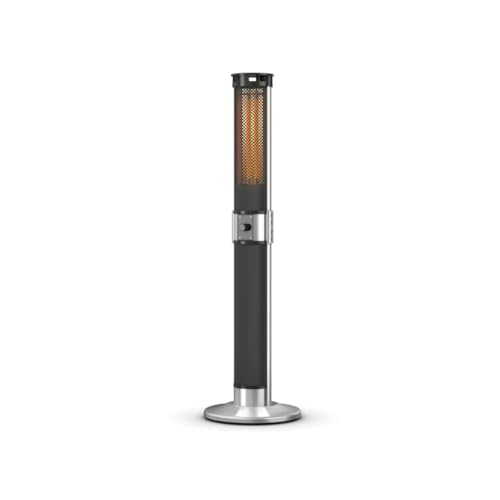
You can relax outside all through the evening and throughout the year with the right patio heater. Patio heaters are available in a variety of different styles, including freestanding propane or natural gas models and ceiling or wall-mounted electric radiant heaters. Your choice is contingent on the dimensions of your patio, existing power sources and individual preferences.
The majority of patio heaters are powered by electricity or liquid or natural gas and produce heat through a combination of convection and radiant heating. Their output of heat is measured in watts and can be converted to British thermal units (BTUs) to compare. Some models also have adjustable heat settings to allow for greater flexibility.
Patio heat lamps incorporate an electric burner on a pole, and a perforated screen that reflects flames and sends heat downwards to warm objects, people and furniture. Some patio heat lamps come with a reflective reflector on top of the burner and can be silvered in order to limit the amount of heat is lost upwards.
Gas patio heaters are among the most commonly used patio heaters. They can heat several tables quickly and evenly. These heaters are portable and can run on propane tanks or plumbed in to your natural gas line. electric patio heater reviews is more convenient and comes with lower upfront costs, however it requires fuel.
A increasing number of homes are fitted with natural gas lines, which makes them the perfect solution for those who prefer to use a gas-powered patio heater. They are easy to install, but they require a gas line that is properly installed and functioning to be secure. Natural gas heaters that are portable are available with extension hoses to overcome this limitation, but they could be a trip hazard and may pose an additional fire risk when not in use.
Safety
Electric patio heaters can be used safely in enclosed areas, since they allow heat to radiate upwards and not outward. However, they're not designed to be used under an open roof. The heater should be set at least 18" from the walls adjacent to it or 6" from the ceiling to avoid fire hazards.
Gas and propane patio heaters can only be installed in enclosed areas that have a durable cover specifically designed for outdoor use. They are usually constructed of fire-retardant fabric and have an open roof that can be closed. These kinds of patio heaters are prone to security concerns due to the fumes and flames they produce. They should be placed away from flammable items, such as curtains and chairs.
When installing a patio heat lamp electric or any other patio heater, make sure you adhere to the manufacturer's instructions and safety precautions carefully. Be sure to choose the one with UL and CSA certifications. Also, read the owner's manual thoroughly. Be extra cautious around children and pets and make sure the heater isn't in their reach while it's running. Some free-standing patio heaters like EUROM have a built-in tipping protection that shuts down the heater if it is tipped over.
If your patio heater runs on a natural gas line it is important to examine the condition of the line on a regular basis and to test it for leaks by an experienced professional. If the line requires to be replaced, make sure to employ a licensed plumber. A professional will be able to determine if the line is required to be connected to an underground pipe or not. A professional can also ensure that the heater for your patio is plugged in to an outlet that is GFCI-rated (ground fault circuit interruptioner) to protect against electric shocks and fires.
Installation
The size of the patio heater will determine the amount of heat it emits into the room. It is essential that the heater be mounted at an appropriate distance from any surfaces like plastic, which can deform and also wood, which can become too hot. You can mount the heater on a wall, structure or other surface using traditional mounting brackets. Some models have soft start, which reduces peak current to safeguard your circuits.